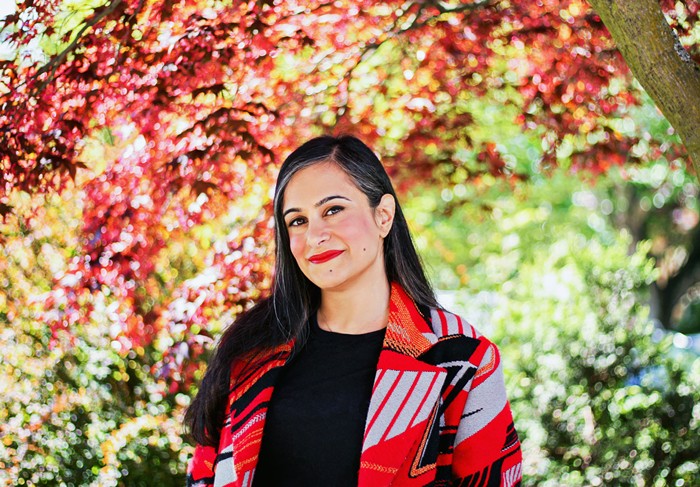
Person of Interest: Taha Ebrahimi
Seattle’s Coolest Street Tree Expert
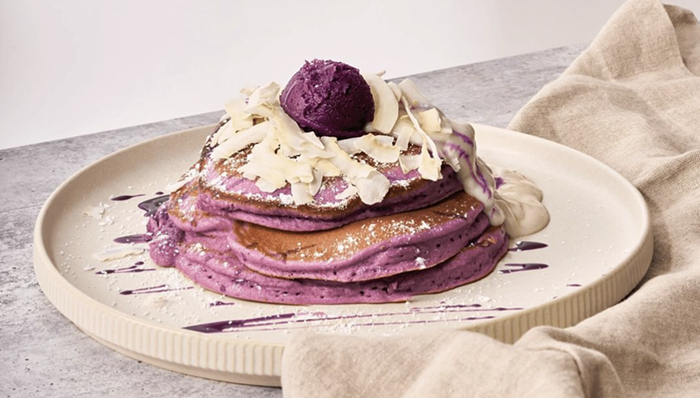

This Week in Seattle Food News
Asian Fusion Brunch, A Desert-Themed Pop-Up Bar, and An Upcoming Italian Restaurant
More From EverOut



Stranger Suggests
Stranger Suggests: Eliza McLamb, Sasha taqʷšəblu LaPointe, Pizza Week, Tina Fey & Amy Poehler: Restless Leg Tour, DREAM TEMPLE (for Octavia)



The Stranger's Spring A+P Magazine Is Here!
The Most Comprehensive Guide to the Spring Arts Season Is Online and in Print Now

Doggy Day Care Workers Bite Back After a Ruff Eight Months at the Bargaining Table
Sit! Stay! Roll Over to Worker Demands, Downtown Dog Lounge!
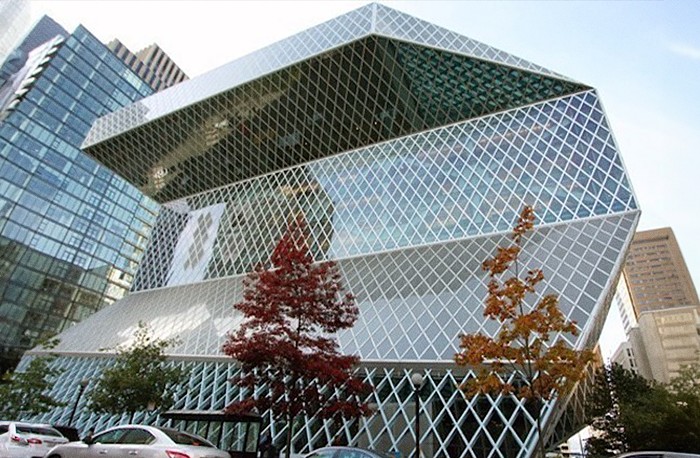
The Seattle Public Library Announces 1,500 Hours of Closures in the Next Eight Weeks
Library Workers Say It Doesn’t Have to Be This Way




More from the Writers You Love to Yell At





Proposed Contract Kills Any Hope for Real Police Alternatives in Seattle
The Union Basically Negotiated for Some Police Assistants


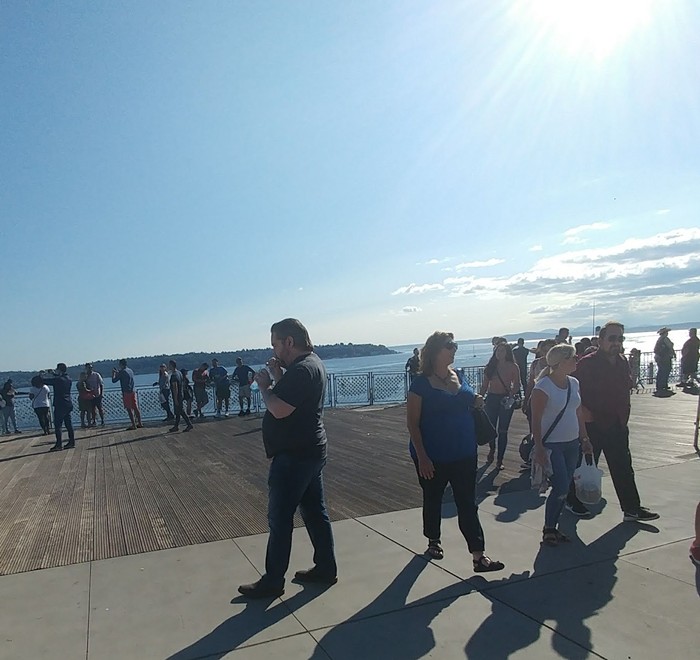
This Unsually Warm Weekend Was a Nightmare
We Should Be Horrified by This Weather, Not Enjoying It
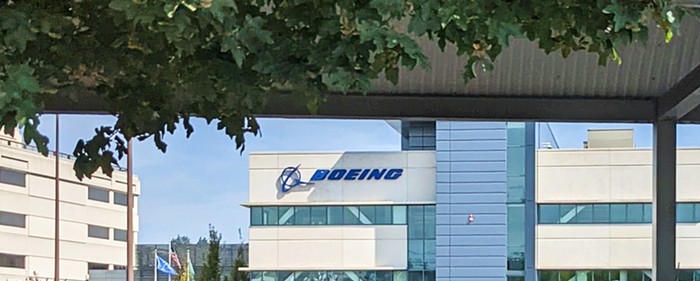
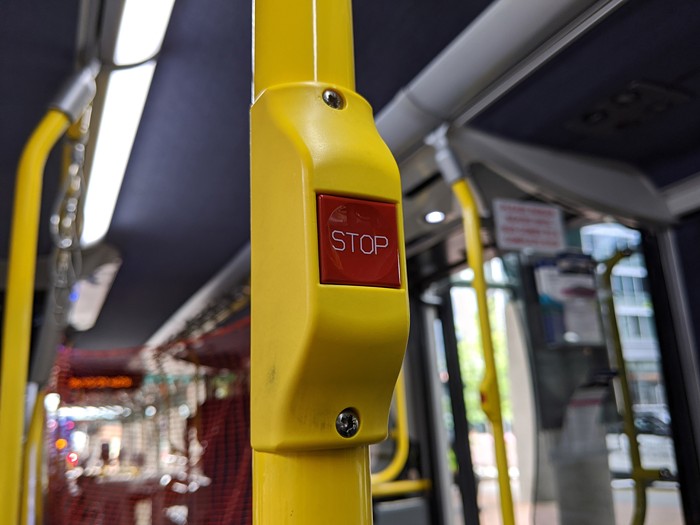
SPD Detective Under Investigation for Pulling Over Metro Bus Driver
A Passenger Took a Viral Video of the Incident
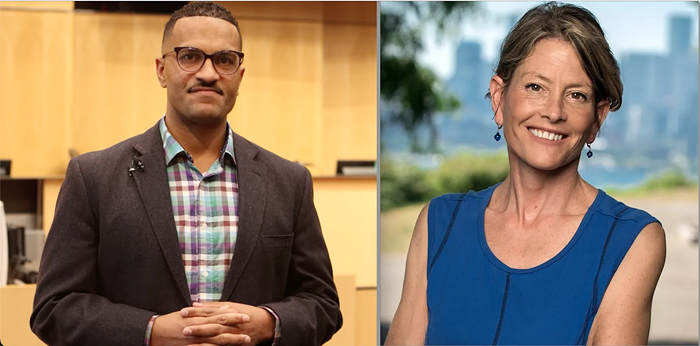
Seattle Floats Subsidized Housing for Cops in the Face of a Homelessness Crisis, a Huge Budget Deficit, and a Million Other Actual Problems
Other Cities Have Tried Paying for Cop Housing, and It Doesn’t Appear to Reel 'Em In
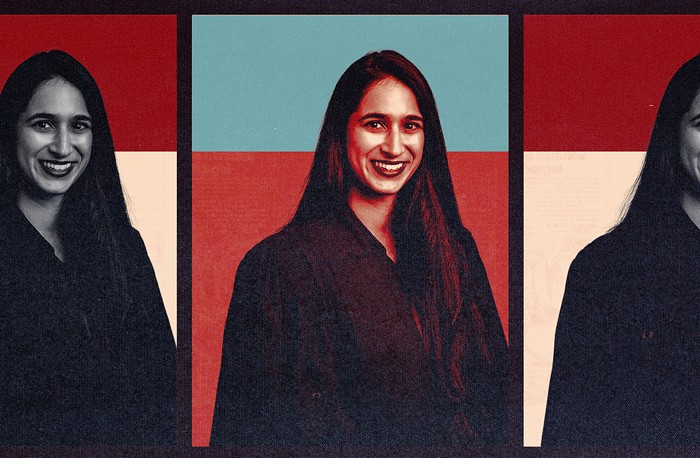
Inside Ann Davison’s War with a Judge She Doesn’t Like
A Week After Judge Pooja Vaddadi Disqualified a Prosecutor in a Case, Prosecutors Moved to Disqualify Her in Every Case
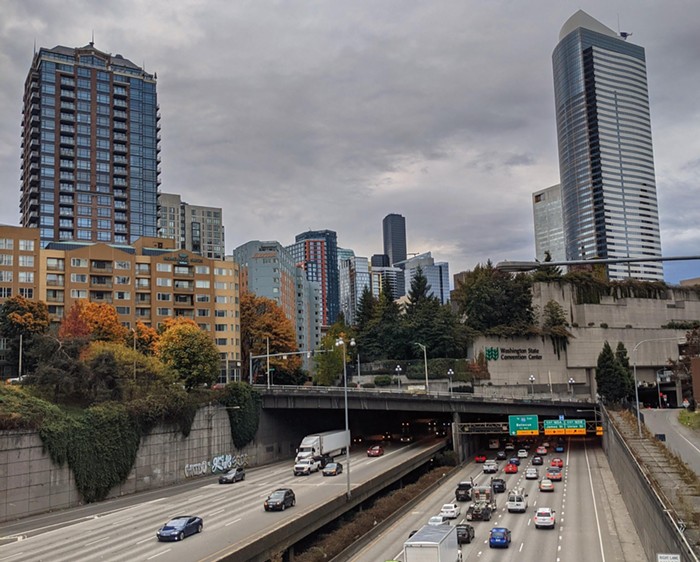
Seattle’s New Right Wants to Keep Cars in Pike Place Market; Its Old Right Wants to Kick People out of the City
Or: David Brewster Is Not the Deep Thinker He Imagines Himself to Be


Seattle Police Officer Throws Handcuffed 58-Year-Old Man to the Ground
Office of Police Accountability Investigating over Use of Force

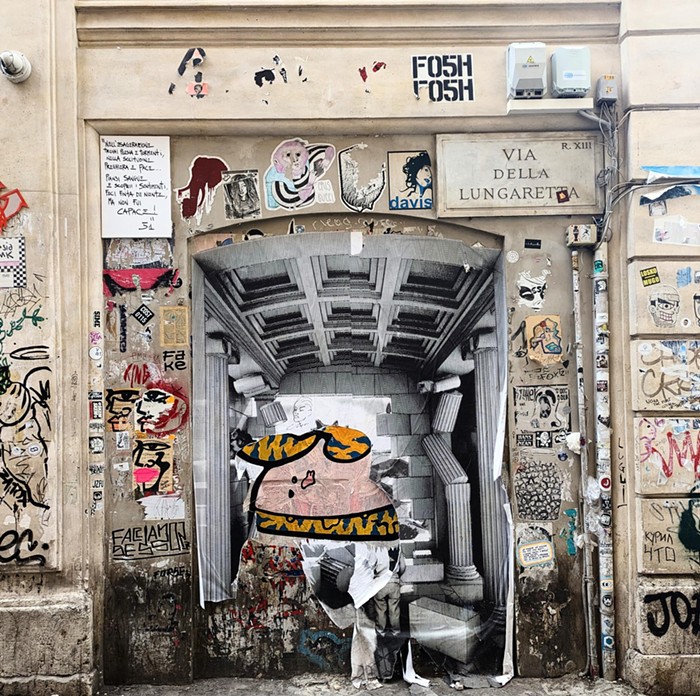
Rome Is a Real City, a World City, and It Has Graffiti Everywhere
Mayor Harrell Would Absolutely Hate It
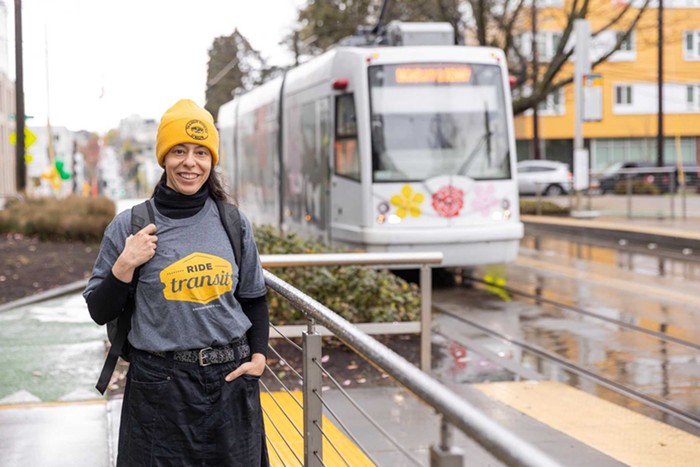
Lefty Organizer Saunatina Sanchez Launches Challenge Against Tanya Woo for City Council
Low-Income Renters RISE UP!
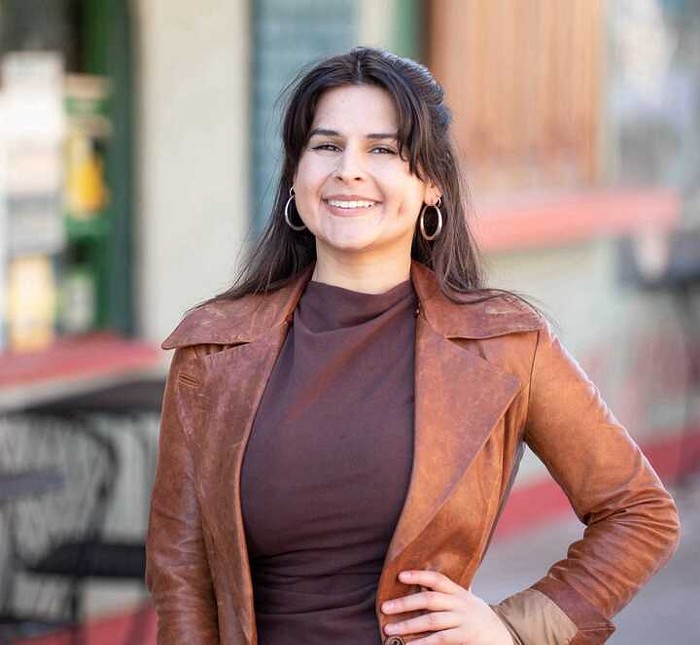
Alexis Mercedes Rinck Launches Progressive Challenge to Tanya Woo
She’s a Renter, a Transit Rider, a Policy Wonk, and a Nose Ring-Haver

Rhythmic Magic by Fiona Apple’s Drummer, Amy Aileen Wood, and Eclectic Seattle Beatsmith JP Lenon
The Best New Music to Hit My Inbox This Week


University of Washington Students Bemoan Choices for President, Contemplate Not Voting
The State Democratic Party Vows to Keep Trying to Engage Younger Voters

City Council FINALLY Ratifies Coalition of City Unions Contract Despite Budget Deficit Concerns
A 9.7% Raise Sounds Pretty Good Until You Hear Cops Could Get 23%

The Stranger Endorses Uncommitted Delegates for the March 12, 2024 Presidential Primary Election
Get Your Ballots in by 8 pm

Health Care Providers in Washington Have a Chance to Save Trans Lives
Those Not in the Field Can Help, Too

Washington State Democrats Could Win Supermajorities in 2024
Supermajorities + Democratic Governor = Power to Fix the State Constitution

Why I’m Voting Uncommitted Delegates in the Washington State Presidential Primary
I Believe in the Politics of Hope

Colombian Trio BALTHVS Turned Easter Into a Psychedelic Feast at Barboza
And Keep Tabs on Seattle Funk Brothers Midpak
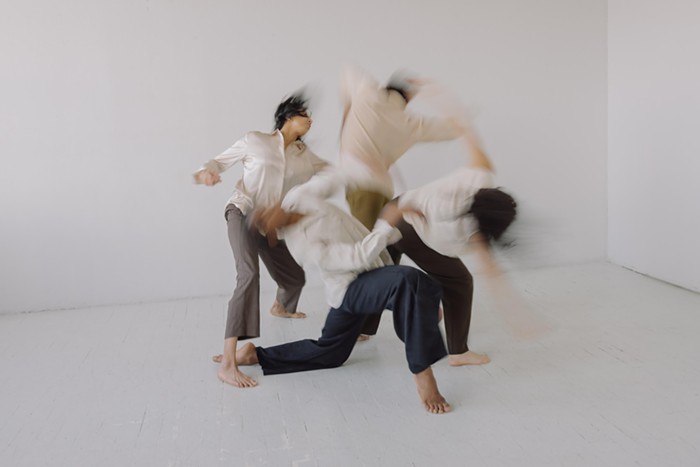
'Here Because' Made the Future of Seattle Dance Look Bright
The Showcase Featured an Incredible Diversity of Movement and Some Emerging Generational Talents

is a proud member of the
 media network
media network





All contents © Index Newspapers LLC
800 Maynard Ave S, Suite 200, Seattle, WA 98134
800 Maynard Ave S, Suite 200, Seattle, WA 98134