


The Top 47 Events in Seattle This Week: Apr 22–28, 2024
Seattle Black Film Festival, Hanif Abdurraqib, and More Top Picks
More From EverOut

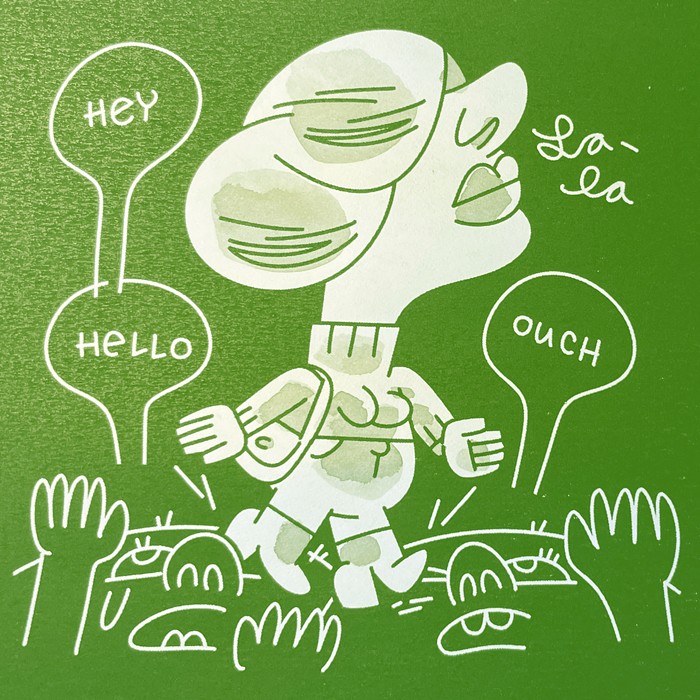

Stranger Suggests
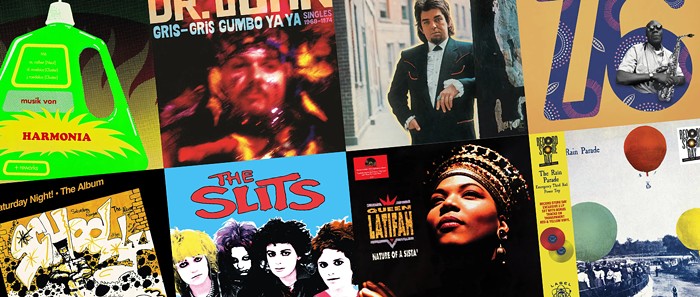
Stranger Suggests: Oneohtrix Point Never, Record Store Day, Sheer Mag, Tessa Hulls with Michelle Peñaloza and Jane Wong, The People's Joker


I Saw U
I Saw U: Standing in the Oso Oso Merch Line, Kissing My Hand at CS, and Sitting at the Next Table Over at Comedy/Bar

The Stranger's Spring A+P Magazine Is Here!
The Most Comprehensive Guide to the Spring Arts Season Is Online and in Print Now
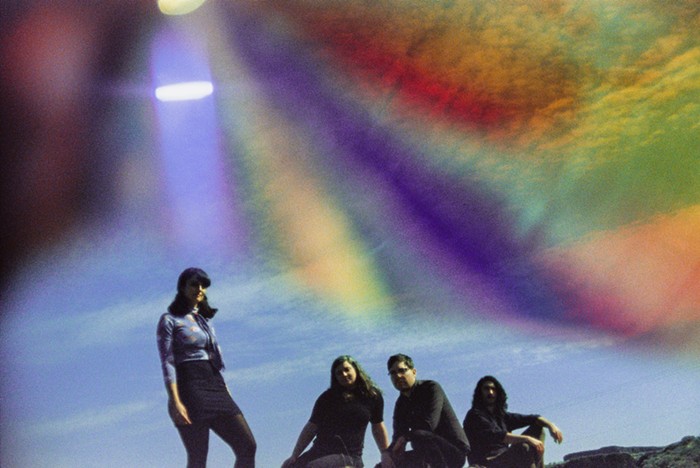
Seattle Space-Rockers somesurprises' New Album Poised for Meteoric Impact
Perseids Will Massage Your Mind and Make Your Body Tingle



More from the Writers You Love to Yell At




Why Amazon's Just Walk Out Technology Failed
A Change of Mind Has a High Price in Surveillance Shopping Models
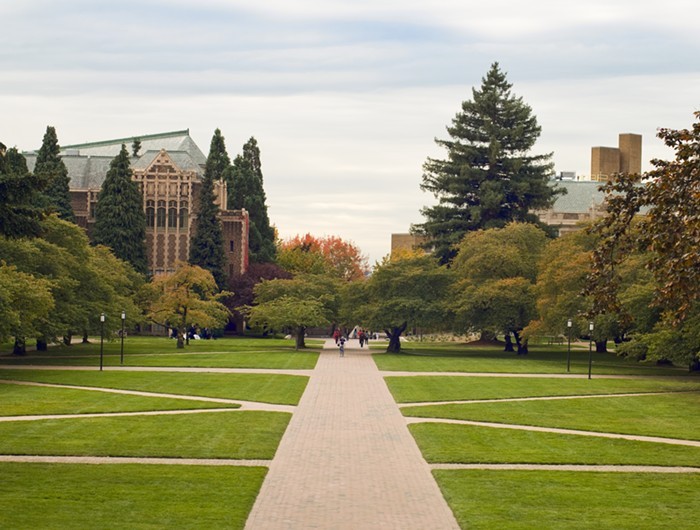
University of Washington Students Bemoan Choices for President, Contemplate Not Voting
The State Democratic Party Vows to Keep Trying to Engage Younger Voters

Proposed Contract Kills Any Hope for Real Police Alternatives in Seattle
The Union Basically Negotiated for Some Police Assistants
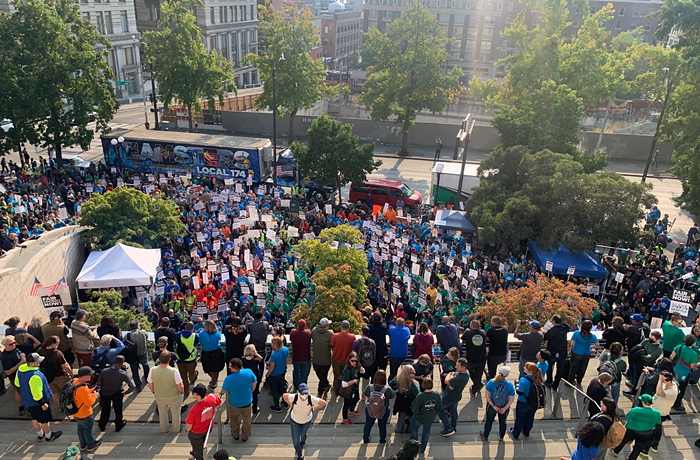
City Council FINALLY Ratifies Coalition of City Unions Contract Despite Budget Deficit Concerns
A 9.7% Raise Sounds Pretty Good Until You Hear Cops Could Get 23%
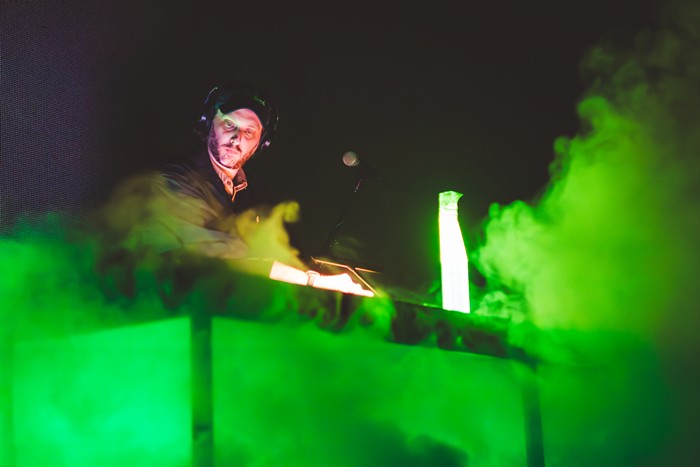
I Joined a Cult at the Oneohtrix Point Never Show
Producer Daniel Lopatin’s Eerily Turbulent Melodies Created a Group Sensory Hallucination

The Stranger Endorses Uncommitted Delegates for the March 12, 2024 Presidential Primary Election
Get Your Ballots in by 8 pm

Washington State Democrats Could Win Supermajorities in 2024
Supermajorities + Democratic Governor = Power to Fix the State Constitution

Why I’m Voting Uncommitted Delegates in the Washington State Presidential Primary
I Believe in the Politics of Hope
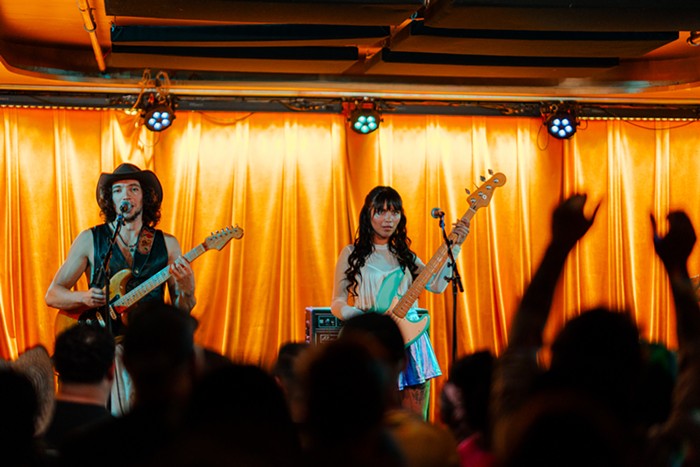
Colombian Trio BALTHVS Turned Easter Into a Psychedelic Feast at Barboza
And Keep Tabs on Seattle Funk Brothers Midpak

Doggy Day Care Workers Bite Back After a Ruff Eight Months at the Bargaining Table
Sit! Stay! Roll Over to Worker Demands, Downtown Dog Lounge!
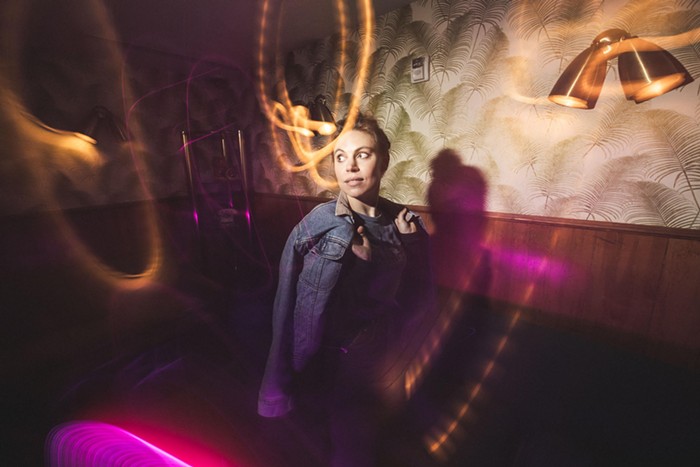
The Anti-Jim Carrey
LA Comic Logan Guntzelman's Potent Punch Lines Sneak Up on You
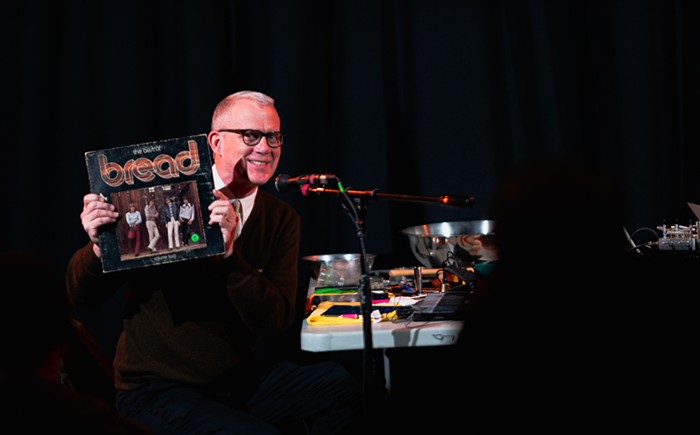
Absurdity Slaps
Matmos' Dadaistic, Smithsonian-Approved Music Tickled Ears at Here-After
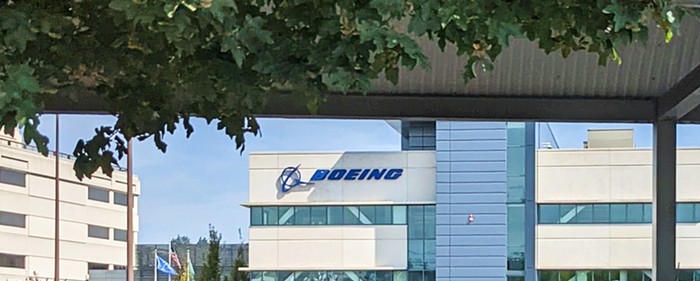
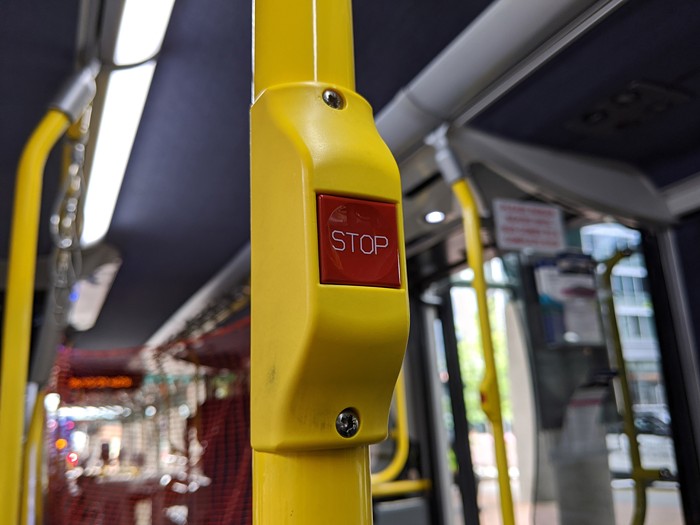
SPD Detective Under Investigation for Pulling Over Metro Bus Driver
A Passenger Took a Viral Video of the Incident
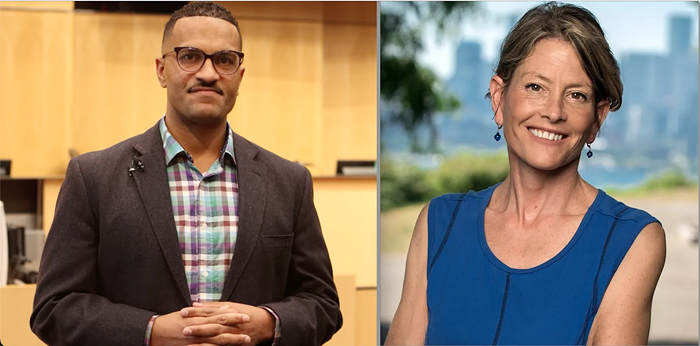
Seattle Floats Subsidized Housing for Cops in the Face of a Homelessness Crisis, a Huge Budget Deficit, and a Million Other Actual Problems
Other Cities Have Tried Paying for Cop Housing, and It Doesn’t Appear to Reel 'Em In

Better, Stronger, Faster
The Seattle Repertory Jazz Orchestra Pays Tribute to the Legendary Oliver Nelson
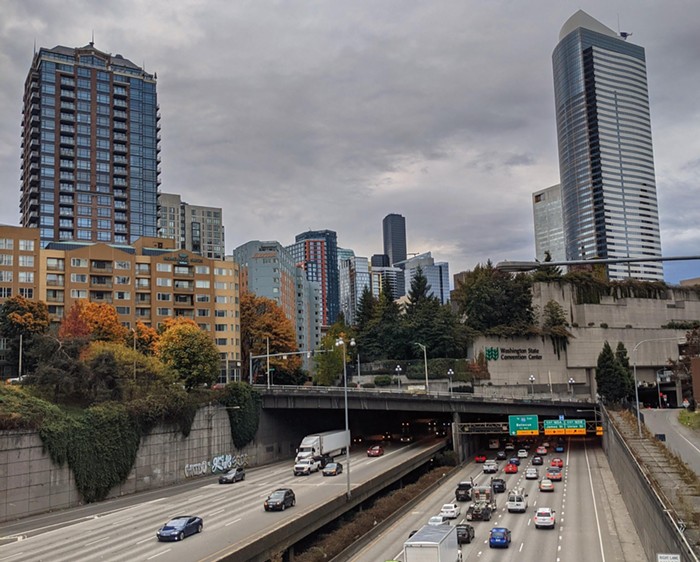
Seattle’s New Right Wants to Keep Cars in Pike Place Market; Its Old Right Wants to Kick People out of the City
Or: David Brewster Is Not the Deep Thinker He Imagines Himself to Be

Seattle Police Officer Throws Handcuffed 58-Year-Old Man to the Ground
Office of Police Accountability Investigating over Use of Force

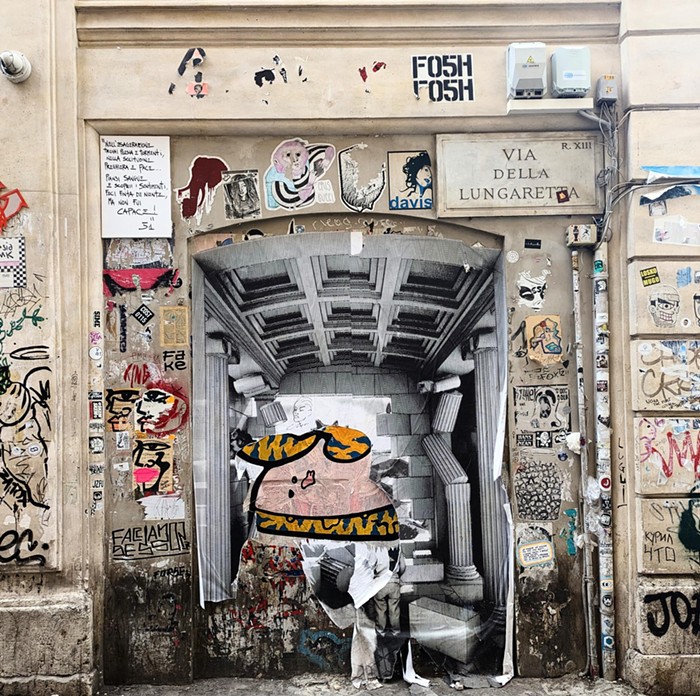
Rome Is a Real City, a World City, and It Has Graffiti Everywhere
Mayor Harrell Would Absolutely Hate It
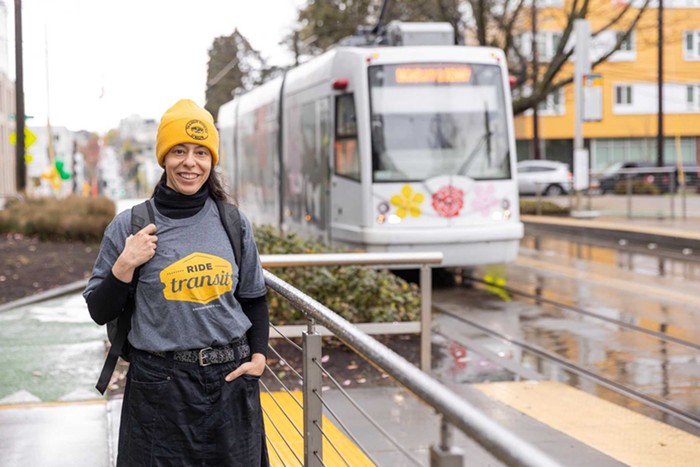
Lefty Organizer Saunatina Sanchez Launches Challenge Against Tanya Woo for City Council
Low-Income Renters RISE UP!
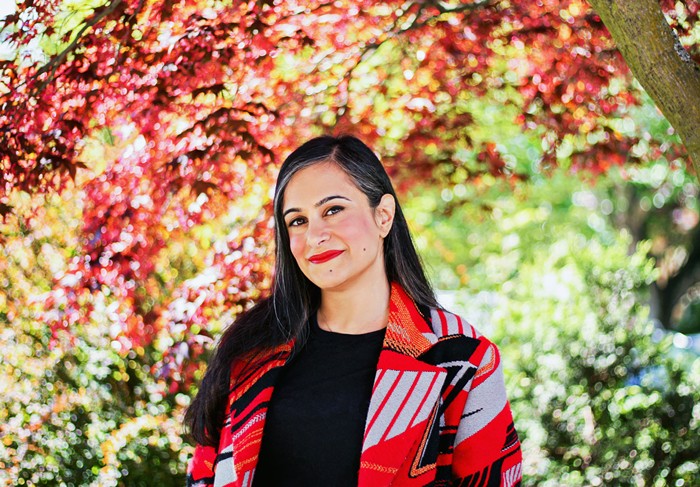
Person of Interest: Taha Ebrahimi
Seattle’s Coolest Street Tree Expert
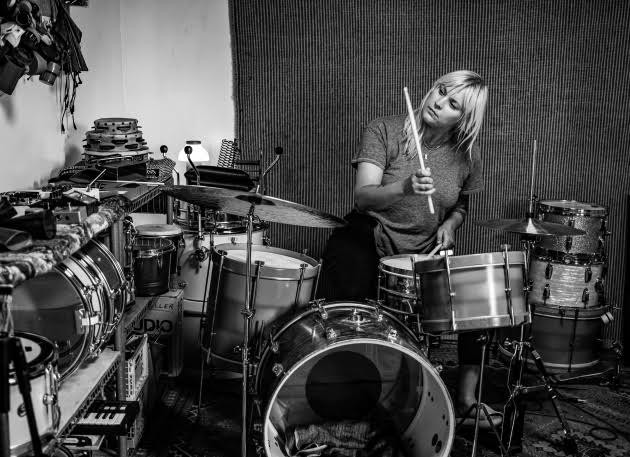
Rhythmic Magic by Fiona Apple’s Drummer, Amy Aileen Wood, and Eclectic Seattle Beatsmith JP Lenon
The Best New Music to Hit My Inbox This Week


is a proud member of the
 media network
media network





All contents © Index Newspapers LLC
800 Maynard Ave S, Suite 200, Seattle, WA 98134
800 Maynard Ave S, Suite 200, Seattle, WA 98134